Services
Sealcoating
Trusted Sealcoating Services in Fort Mill & Charlotte
Atkins Paving provides residential and commercial sealcoating services in Fort Mill, South Carolina and the greater Charlotte metro. A protective layer shields pavement from water, oil, UV rays, and daily wear, helping prevent cracks, fading, and surface damage over time.
For homeowners, we recommend sealcoating every 3 to 5 years on residential driveways. For commercial lots, a 2 to 3 year cycle typically delivers the best cost-to-lifespan ratio, especially when paired with restriping in the same visit.
We handle every step of the sealcoating process: surface cleaning, crack sealing, edge trimming, and final application with commercial-grade sealer. Work is scheduled to minimize downtime while maximizing performance.
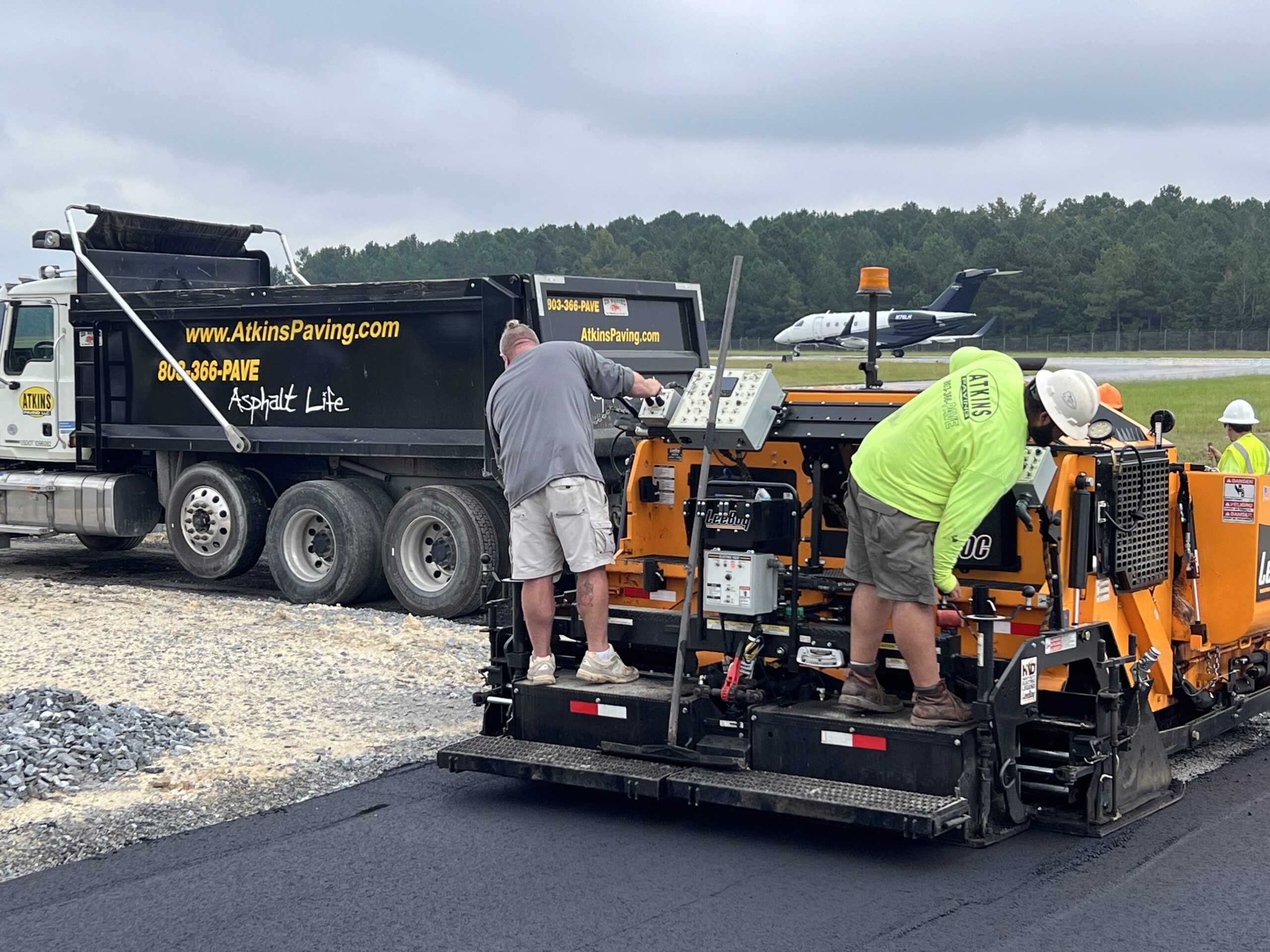
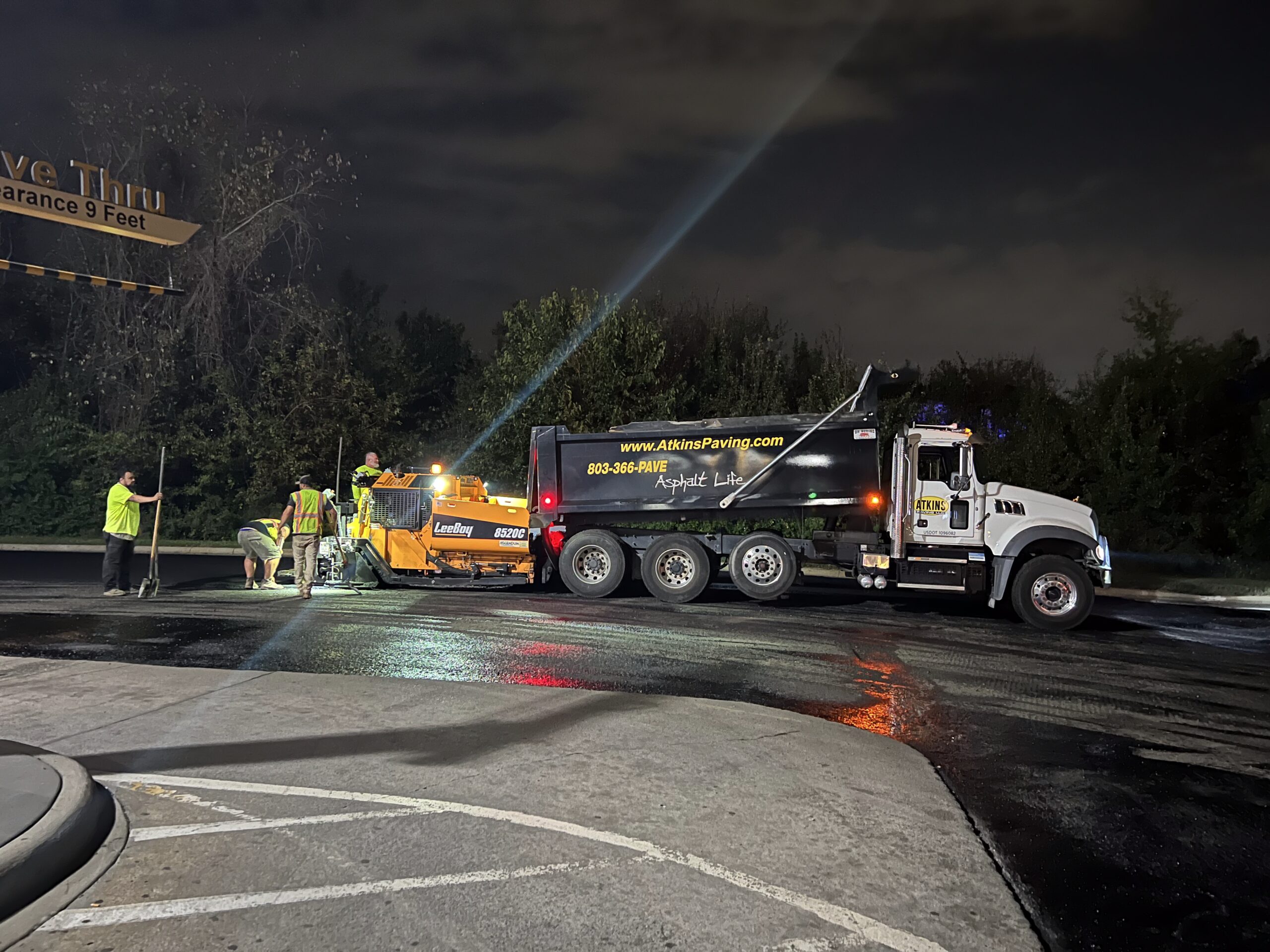
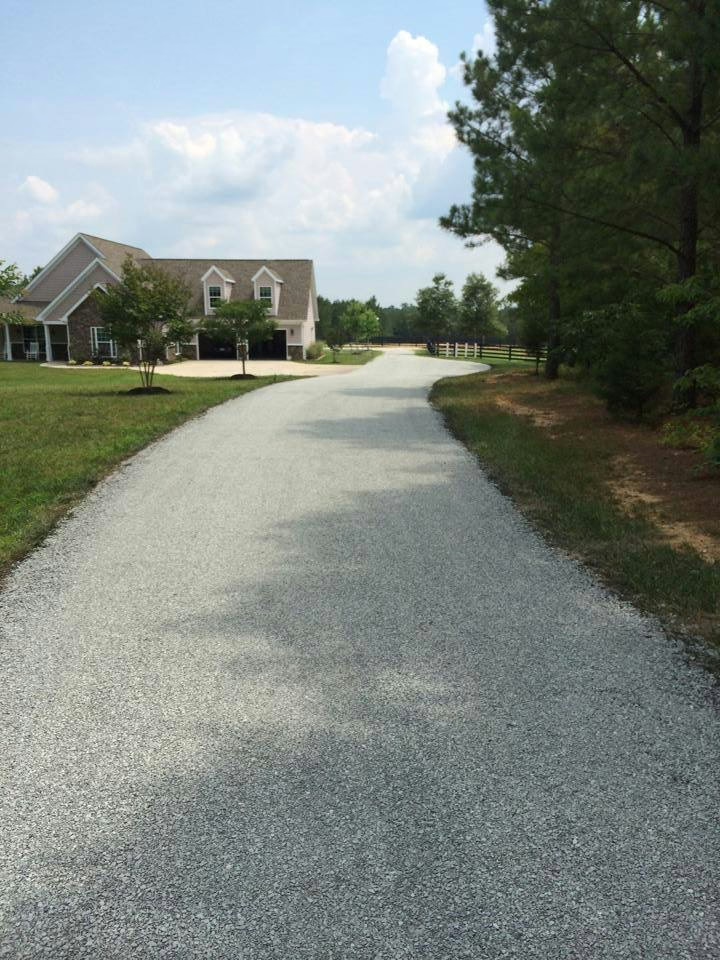
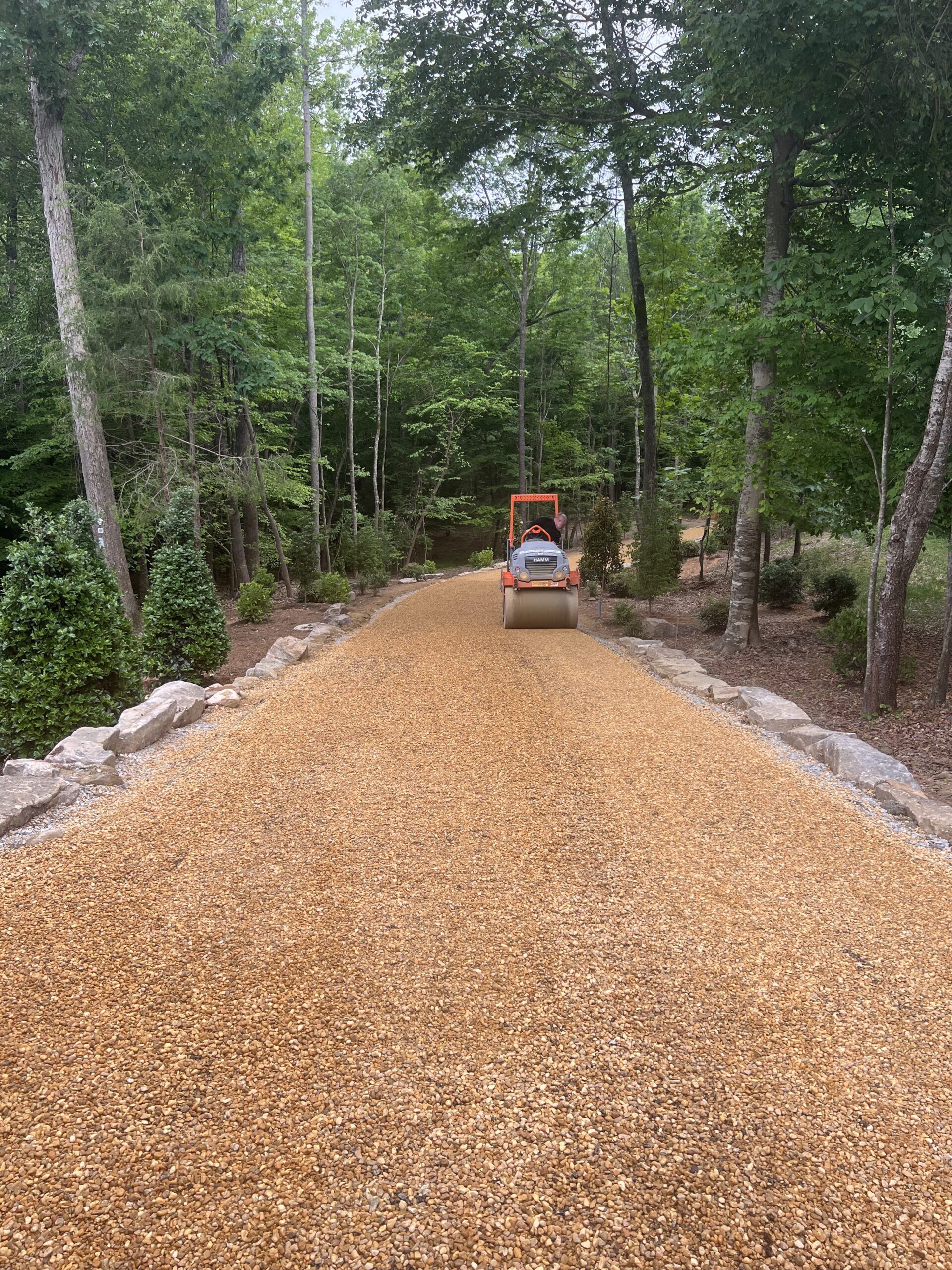
Why sealcoating matters for Carolina asphalt
Asphalt is held together by a petroleum-based binder. From the day it cures, that binder is under attack from ultraviolet light, oxygen, water, gasoline, oil, and thermal expansion. Left untreated, the surface fades from black to gray, hairline cracks appear, and water begins reaching the base. Once water is under the pavement, freeze-thaw and traffic do the rest, and repair costs jump by an order of magnitude.
Sealcoat is the barrier between asphalt and everything that ages it. A properly applied sealcoat cycle can double the useful life of a driveway or parking lot for a small fraction of what a replacement costs. It is the single highest ROI maintenance step on any asphalt property.
Sealcoating services we offer
Residential driveway sealcoating
We sealcoat driveways of every length and layout across Fort Mill, Tega Cay, Rock Hill, Indian Land, Lake Wylie, Charlotte, and the surrounding suburbs. Every quote includes surface cleaning, crack evaluation, edge trimming, and two-coat application where appropriate. Most residential driveways are cleaned, sealed, and back in service in a single day.
Commercial parking lot sealcoating
For retail centers, office parks, HOAs, medical facilities, and industrial lots we plan the work in phases so the business keeps running. That means night and weekend scheduling, cone plans, and clear return-to-service times. Sealcoating pairs naturally with restriping, ADA stall updates, and directional arrows, all included in one mobilization.
Crack sealing
Working cracks are hot-pour sealed with a rubberized material before any sealcoat is applied. This keeps water out of the base and prevents the cracks from telegraphing back through the surface. Crack sealing is the single most effective and least expensive step to slow asphalt deterioration.
Restriping and pavement marking
Fresh sealcoat plus fresh paint changes how a lot reads to customers and how safely it flows. We restripe stalls, fire lanes, ADA access aisles, arrows, stop bars, and curb tips with commercial traffic paint. Stall counts and layouts can be adjusted to meet current code or new tenant needs.
Our sealcoating process
1. Deep surface cleaning
Sealcoat only bonds to a clean, dry surface. We power blow the entire area to remove dust and debris, wire brush or grind oil spots, treat stains with an oil primer, and remove vegetation from cracks and edges. Skipping cleaning is why big-box driveway seals peel and streak within a year.
2. Crack sealing and edge trimming
Cracks above hairline width are routed and filled with hot-pour rubberized sealant. Edges along grass and beds are cut back so the finished seal reads as a clean line, not a smear onto the lawn.
3. Commercial-grade sealer application
We use commercial-grade sealer applied by squeegee, brush at edges, and spray on open areas depending on the surface and geometry. Most driveways get two coats for full coverage. Cure times, coverage rates, and coat counts are printed on your quote so there is no ambiguity about what you paid for.
4. Restriping and reopen
Once the seal is cured to spec, we restripe stalls, fire lanes, and pavement markings if requested. We walk the finished project with you, review the cure window, and set a reminder for the next recommended cycle.
When sealcoating is not enough
Sealcoat protects sound asphalt. It is not a repair for structural failure. If your driveway or lot has alligator cracking across large areas, sunken sections, standing water after rain, or the base pumps when a heavy vehicle drives over it, sealcoating alone will not solve the problem. In those cases we recommend crack sealing plus a mill-and-overlay or a full-depth replacement instead. We will tell you honestly which category you are in after we walk the site.
Frequently Asked Questions
How often should a driveway be sealcoated?+
Residential asphalt driveways in the Fort Mill and Charlotte area should be sealcoated on a 3 to 5 year cycle. Seal too soon and the fresh asphalt cannot properly release the light oils it needs to release, seal too late and UV, water, and oxidation have already eaten into the binder. New driveways should cure 6 to 12 months before the first application.
How often should a commercial parking lot be sealcoated?+
Commercial lots are best sealcoated every 2 to 3 years. Higher traffic, more oil drips, more thermal cycling, and heavier loads accelerate wear compared to a residential driveway. Pairing sealcoating with restriping every second cycle gets you the best cost per year of pavement life.
What does sealcoating actually do?+
Sealcoat is a thin protective layer applied over cured asphalt. It shields the binder from UV oxidation, blocks water and oil from soaking in, restores the deep black finish, and gives the surface a uniform texture. Sealcoating does not fix structural problems, but it dramatically slows the aging process that causes them.
How long does sealcoating take to cure?+
Sealcoat is dry to the touch within a few hours and ready for foot traffic the same day. Vehicles should stay off for 24 hours in warm dry weather and 48 hours if it is cool or humid. Full cure takes about 30 days, during which the surface can still scuff from sharp turns and heavy loads.
Do I need crack sealing before sealcoating?+
Almost always yes. Sealcoat is a surface treatment, not a crack filler. Working cracks wider than about a quarter inch should be routed and hot-pour crack sealed first, otherwise water continues to reach the base and the cracks reappear through the seal within a season. We include crack evaluation with every sealcoating quote.
What time of year is best for sealcoating?+
The ideal sealcoating window in the Carolinas runs from late spring through early fall, when daytime temperatures stay above about 55 degrees Fahrenheit and rain is not in the 24 hour forecast. We schedule work around weather and can typically hit a tight window for HOAs, retail centers, and businesses that need to reopen the same day.
How much does sealcoating cost?+
Residential driveway sealcoating typically starts in the low hundreds and scales with square footage, crack sealing needs, and access. Commercial pricing is quoted per square foot after a walk of the lot. We provide a written itemized quote so you can see exactly what is included: crack sealing, edge trimming, cleaning, application coats, and restriping if applicable.